
Last fall, I filmed a course for MasterClass. It’s mainly based on my book Slow Productivity, but there’s some Deep Work in there too. It’s called: “Rebuild Your Focus & Reclaim Your Time.”
The course launched last week, so you should definitely check it out. It gets to the core of a lot of the topics we tackle in this newsletter about the intersection of technology and productivity, and it’s an incredibly polished final product.
It’s actually this latter point that I want to talk a little bit more about today, as it sparks an interesting question about the future of online media more generally…
One of the most striking things about working with MasterClass is its production values. I’ve been a guest on many major video podcasts (from Mel Robbins to Andrew Huberman to Rich Roll). These shows look good. They all have reasonable sets with diffused lights and three-camera setups.
MasterClass, however, operates at another level. They use high-end TV-quality production crews. There’s a director, a cinematographer, and multiple camera operators distinct from the focus pullers, all of whom work with gaffers and grips, supported by production assistants. My make-up artist had recently worked on Sinners.
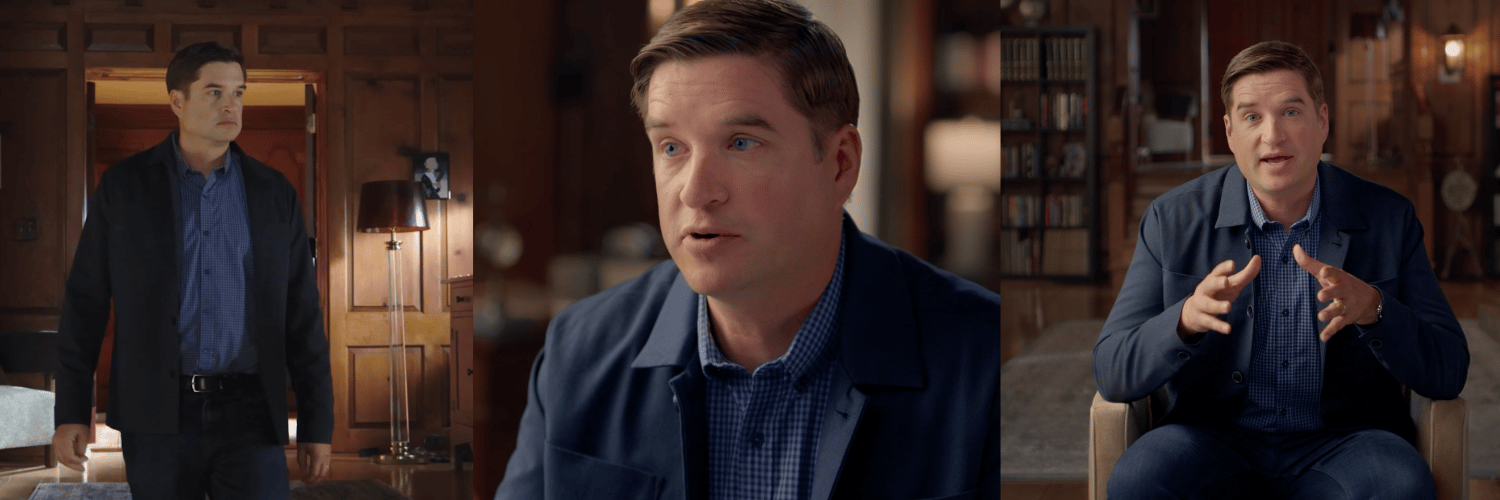
In my career as a writer, I’ve been on TV before as a guest on morning shows and cable news programs, but this was as close as I’ll ever come to starring in a dramatic series or independent film.
For me, this experience implied an important reality about the current state of visual media: there remains a non-trivial quality gap between independent video (e.g., as produced for YouTube) and legacy video (e.g., as produced for streaming platforms or linear television).
This gap matters.
Because these two categories still look different, we treat them distinctly. We’re willing to pay for access to content on Netflix, but we relegate the next rung down on the quality ladder to ad-supported general-use platforms like YouTube.
But here’s what’s interesting about the near future: that difference is diminishing. MasterClass, for example, is not funded by a streaming service or television studio; however, they achieve streaming/TV-level production values. Other independent video producers are also closing this gap.
This raises a key question: What will happen to video content as the difference between independent and legacy production value vanishes?
We can see a glimpse of this future in a project that fascinates me: Dropout TV – also stylized online as :Dropout – which can best be described as a comedy streaming service. It costs $6.99 a month, which gains you access to a slate of original unscripted shows all filmed at a quality level indistinguishable from what you would find on, say, Netflix programs like Is it Cake? or Nailed It!.
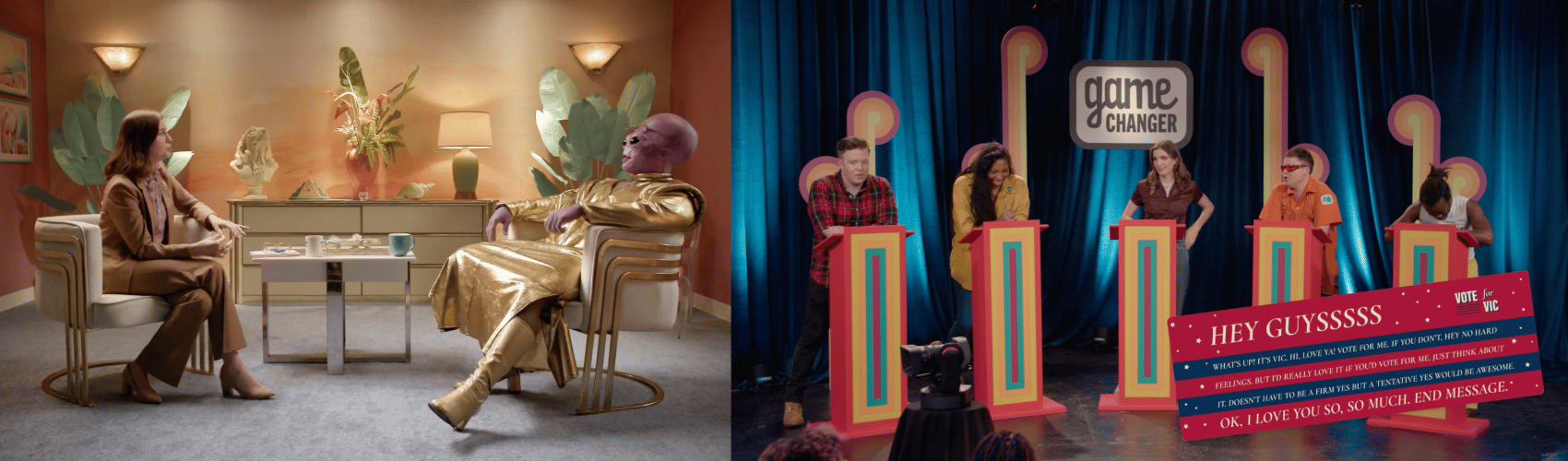
Except, they’re not Netflix. Dropout TV doesn’t have multi-billion dollar production budgets or massive venture capital backing. It grew out of the early 2000s website CollegeHumor.com. With the rise of YouTube, CollegeHumor turned more attention to producing content for the platform. But they were frustrated by a model that required them to live or die by a third-party algorithm and the whims of advertisers, so they eventually launched their own subscription app.
Today, Dropout boasts over a million subscribers.
I refer to this type of niche subscription service, defined by a combination of legacy-quality programming and a focused audience, as a micro-streamer.
Keep an eye on this market segment. As it becomes easier to produce high-end video, more independent creators will leave the mass-aggregation platforms like YouTube and offer up targeted competition to the major streaming players.
Who knows, maybe one day you’ll even have a Deep Life TV app next to Disney+ on your smart TV. Until then, however, you can get your fill of movie-quality Cal content over at MasterClass.

Not sure what I’m gonna do when every channel is a subscription 😭
These days I make due with random streaming service soup where a mix of 3-4 accounts with friends means I can find something to watch
And then I use JustWatch to figure out where something is streaming
I don’t actually watch that much stuff though so I’m almost more interested in the economics of the whole thing than the content part
For example some YouTubers also use other platforms and try to stay independent of YouTube – Nebula, Floatplane
Seems the biggest problem is hosting the videos for mass viewership so it’s just not easy to start your own service unless you’re quite big already
Yeah the problem with Dropout (and, don’t get me wrong, I LOVED Collegehumor), is that the shows are completely unscripted. Nothing INHERENTLY wrong with that, but it means that it looks good while the production value coming from hired writers and showrunners is just not there. So basically they’re charging money while having LESS effort and quality of original CollegeHumor scripted series.
As you said, the gap between legacy media and independent media is shrinking. But it can be deceptive—many of these independent creator companies are cutting corners and showing their audiences slop (look at smosh and their Reddit posts).
While actual small independent media (like small newspapers & lit mags) are finding it harder and harder to make money. We’re seeing centralization at the same time as these “independent” media companies like dropout grow. It’s not helping small creators.
Unrelated to the current post, but probably of interest to Cal and this blog’s readers, is a post I just read from an Oxford historian who mentions “Deep work” and how the problem existed in the past.
https://open.substack.com/pub/nunocastelbranco/p/focused-work-in-early-modern-times