The Curse of Process Inefficiency
A couple weeks ago, I posted some ideas about why we have such a love/hate relationship with e-mail. In this post, I want to return to the conversation with a thought on how we might improve matters.
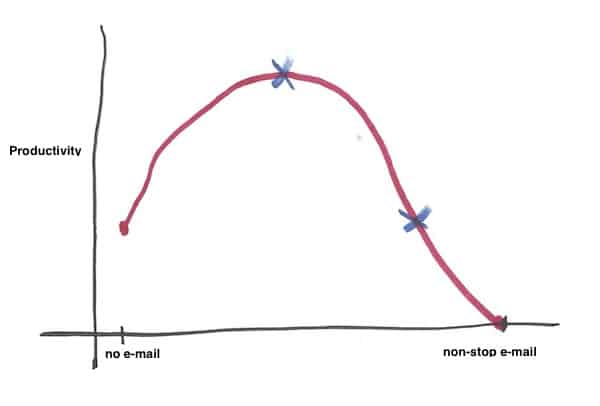
I argue that a major problem with our current e-mail habits is interaction inefficiency.
In more detail, most e-mail threads are initiated with a specific goal in mind. For example, here are the goals associated with the last three e-mails I sent today before my work shutdown:
- Getting advice from my agent on a publishing question.
- Moving a meeting to deal with a scheduling conflict.
- Agreeing on the next steps of a project I’m working on with Scott Young.
If you study the transcripts of most e-mail threads, the back and forth messaging will reveal a highly inefficient process for accomplishing the thread’s goal.
There’s a simple explanation for this reality. When most people (myself included) check e-mail, we’re often optimizing the wrong metric: the speed with which you clear messages.
Boosting this metric feels good in the moment — as if you’re really accomplishing something — but the side effect is ambiguous and minimally useful message that cause the threads to persist much longer than necessary, devouring your time and attention along the way.
I’m as guilty of this as anyone. For example, look at this terrible reply to a meeting request that I actually sent not long ago:
I’m definitely game to catch up this week.
Ugh. As I sent the above I knew that in the interest of replying as quickly as possible, I probably tripled the number of messages required before this meeting came to fruition.
E-mail Protocols
What’s the solution?
Read more