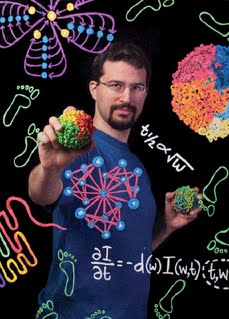
 The Irrepressible Erez
If you’ll indulge me, I’d like to return for the moment to my obsession with Erez Lieberman. As you might recall, Lieberman is a rising star in the science world. He’s currently a fellow at Harvard’s elite Society of Fellows and a visiting faculty member at Google. He was selected for the Tech Review’s 35 Innovators Under 35 list, his work has been featured on the front page of the The New York Times, and the NIH just gave him a $2.5 million New Innovators grant.
When Lieberman’s stint as a Harvard fellow is over, he’ll have his choice of academic positions.
In other words, Erez Lieberman is remarkable, and this makes him interesting to us — not just those of us who happen to be grad students or professors, but to anyone who is interested in my Career Craftsman philosophy, which posits that becoming so good they can’t ignore you is the foundation for building a working life you love.
With all this in mind, I thought it useful to dive deeper into Lieberman’s story and see what insights I could uncover…